
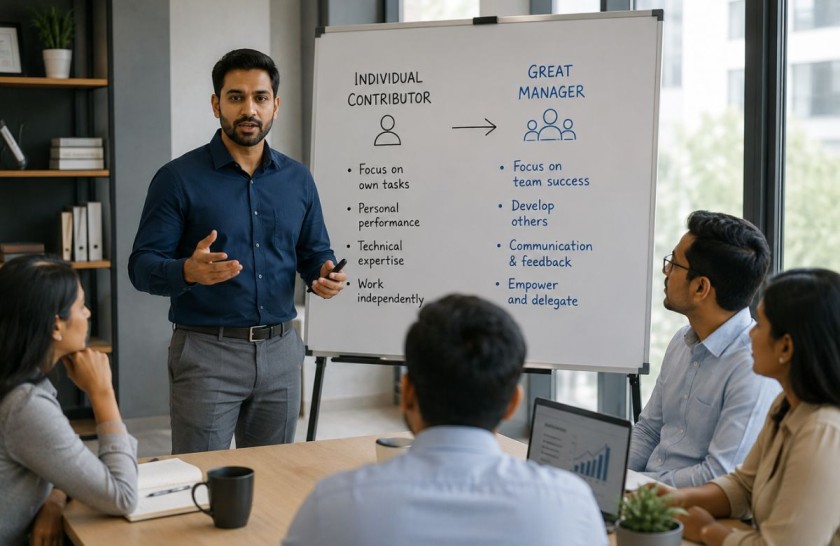
Being someone who contributes individually is one thing, but when it comes to managing others and overseeing others, the task becomes overwhelming. You’re no longer accountable just for your own mistakes. Even if your team misses something, it’s on you. To ensure you achieve optimal results while performing at your peak, it is crucial to fully grasp managerial effectiveness.
But how do you ensure a smooth transition from a contributor to a great manager? This blog will break down all the essential things you need to know to ensure managerial effectiveness in your workplace.
Why is Manager Effectiveness Critical in the Workplace
Great management is the heart of a thriving workplace. Instead of just overseeing tasks, an effective leader focuses on unlocking their team’s full potential, which boosts productivity and creates a more positive, supportive environment.
If you are making the leap from a solo expert to a manager, it is vital to prioritize leadership development. Effective leaders are the ones who hold everything together, driving higher engagement, keeping talent on board, and ultimately ensuring business success. Research shows that people are far more likely to stick around and perform at their best when they have a supportive manager.
Key Factors That Make a Manager Highly Effective and Impactful
Effective management is less about putting emphasis on specialized knowledge and more about the ability to get the work done through others. Ensuring managerial effectiveness creates an optimistic workplace where staff members can understand their targets clearly and enhance their efficiency. The core attributes of a highly successful manager include the following:
- Develops Team Expertise
Instead of just showing off what they know, a great manager helps every team member tap into their own potential. They focus on coaching their people, helping them grow their skills and really thrive in their roles.
- Builds Trust Within the Team
A highly productive workplace relies fundamentally on trust. Exceptional managers excel as authentic communicators. They actively listen to the perspectives and concerns of their team, fostering a supportive and transparent environment.
- Team Development
A truly great manager puts their team first. They’re dedicated to making sure nobody gets lost in the shuffle, offering the guidance and resources the whole group needs to succeed as a unit.
- Promotes Individual and Team Learning
The growth of every member and the overall growth of the team is what makes a highly productive team. Effective management is built around a team that grows together while not leaving behind the individual team members.
- Recognizing Performance
Being a great manager means really noticing your team and acknowledging the hard work they put in every day. When you genuinely recognize their efforts, it helps them feel valued, motivates them to level up, and keeps them on track to hit their career goals.
How to Build Managerial Effectiveness: Best Tips and Practices
For every manager to become effective, they have to go through leadership development. You can choose from a variety of tools, programs, and practices to build this skill and improve your effectiveness companywide. This not only benefits your team members but also benefits you in the long-term.
Here’s how you can build manager effectiveness:
- Online Learning Programs
These programs are designed to help individuals transition to their managerial roles and help ensure that they perform effectively. You get access to key insights about processes, interpersonal competence, organization development, leadership, and effectiveness. They are aimed at helping you become more self-aware.
- Mentoring
One of the most natural ways to grow is by connecting with those who’ve walked the path before you. Mentors offer more than just advice; they share real-world stories. By building this relationship, you’ll gain a clearer perspective on your strengths and find a supportive space to improve your managerial effectiveness.
- Workshops
Sometimes the best learning happens when we step away from our desks and talk to one another. Workshops provide that collaborative space to dive into the human side of leadership, like how to handle a tough conversation or truly support a team member. It’s a chance to practice new skills alongside peers, building the confidence you need.
- Setting Goals
Establishing goals extends far beyond tracking statistics. It centers on instilling a unified sense of purpose within your team. When you collaboratively define clear and significant targets, every member gains a clear understanding of how their individual efforts drive the group’s collective success.
Become the Manager Your Team Deserves With Perfect Professional
Transitioning into leadership is a continuous journey that requires shifting your focus from individual execution to empowering others. By actively seeking mentorship, attending targeted workshops, and setting transparent goals, you equip yourself with the crucial mindset and tools needed to drive organizational performance. This helps foster genuine trust and lead your team with authentic confidence.
To help you accelerate this transformation, we have designed our specialized managerial effectiveness online course. We provide the practical frameworks, proven tools, and actionable insights you need to bridge the gap between managing tasks and leading people. Join us at Perfect Professional and become the impactful manager your team deserves.
FAQs
- Why is managerial effectiveness critical in the workplace?
It drives productivity, improves employee retention, boosts morale, and ensures business success by guiding team members effectively.
- What is the main shift when moving from an individual contributor to a manager?
Shift focus from executing individual tasks to driving team success, developing skills, and getting work done through others.
- How can a new manager build trust within their team?
Practice open communication, actively listen to team members’ opinions and queries, and support their individual and collective growth.
- What are effective ways to develop managerial skills?
Enroll in online learning programs, attend interactive workshops, seek mentorship from seasoned leaders, and set clear, measurable goals.
- How does Perfect Professional help transitioning managers?
We offer a specialized online course providing practical frameworks, tools, and insights to bridge managing tasks and leading people.